Medical Assistant School Near Me: How to Find the Right Program in Gonzales
Not every medical assistant school is worth your time or your money — and the one closest to your house isn’t automatically the best fit. The difference between a strong program and a mediocre one comes down to a handful of things that most people don’t think to check until it’s too late.
Whether you’re in Gonzales or considering a hybrid program you can access from anywhere, here’s what actually matters when choosing where to train — and what to walk away from.
Why location matters (but isn’t everything)
Choosing a school near you has real advantages:
- Reduced commute time — less time traveling means more time studying and practicing
- Local employer connections — schools with community roots often have relationships with area clinics, hospitals, and physician offices
- In-person clinical training — hands-on skills like phlebotomy, injections, and EKGs need to be practiced in person, and a nearby school makes that practical
- Networking opportunities — classmates become colleagues in your local healthcare community
That said, proximity alone doesn’t make a program worth attending. A school 20 minutes away that cuts corners on clinical training isn’t better than one slightly farther that does it right.
What to look for in a medical assistant school
Hands-on clinical training
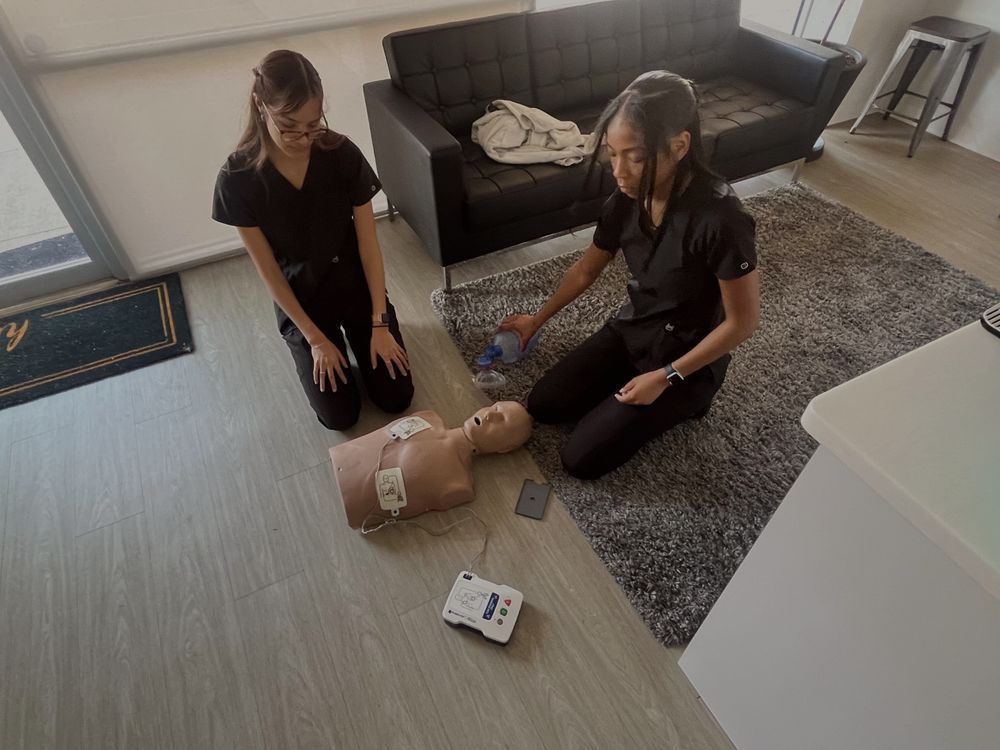
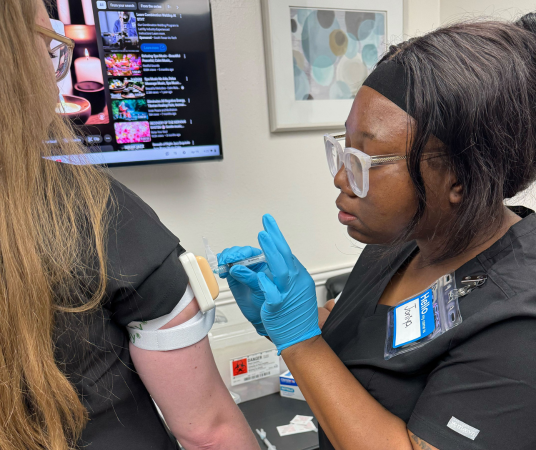
Medical assisting is a hands-on profession. A school that only teaches through textbooks and online modules won’t prepare you for drawing blood, taking vitals on a real person, or assisting a physician during an exam. The best medical assistant programs include supervised clinical practice where you build skills with actual equipment and (when possible) in real healthcare environments.
Certification preparation
Earning a recognized medical assistant certification — like the CCMA through the NHA — gives you a competitive edge when job hunting. The best schools integrate certification exam prep throughout the curriculum rather than tacking it on at the end.
Transparent pricing
You should know the full cost before you enroll: tuition, fees, materials, certification exam costs — everything. Schools that are vague about pricing or push you toward large loans without explaining alternatives are red flags.
Flexible scheduling
Many students are working adults with families and other commitments. Programs that offer evening, weekend, or hybrid scheduling make it possible to train without putting your entire life on hold.
Career support
Job placement assistance, resume help, interview coaching, and employer connections aren’t luxuries — they’re part of what you’re paying for. A school that hands you a certificate and sends you on your way isn’t doing enough.
Red flags to watch for
Not every medical assistant school near me deserves your time or money. Be cautious about programs that:
- Have no clinical training component — if there are no labs, externships, or hands-on sessions, you’re not getting the full education
- Won’t share completion or job placement data — if they can’t (or won’t) tell you how graduates do, that’s concerning
- Pressure you to enroll immediately — legitimate schools give you time to review the program and make an informed decision
- Have hidden fees — if the total cost keeps changing or add-ons appear after enrollment, the program wasn’t transparent from the start
- Offer no certification prep — without certification support, you’ll need to figure out exam prep on your own, which is a significant disadvantage
Questions to ask before enrolling
Before you commit to any medical assistant training programs, sit down (in person or virtually) with an admissions representative and ask:
- What clinical skills will I practice during the program?
- Where does the hands-on training take place?
- Which certification does this program prepare me for?
- Is the certification exam fee included in tuition?
- What is the total cost, including all materials and fees?
- Are payment plans available?
- What does career support look like after graduation?
- How long has the school been operating, and how many students have graduated?
The answers should be clear, specific, and given without pressure. If they’re not, keep looking.
What makes a strong program stand out
The medical assistant programs that consistently produce well-prepared, employable graduates share these traits:
- Curriculum built around clinical and administrative competency — not just theory
- Small class sizes or hands-on lab ratios that allow individualized instruction
- Instructors with real healthcare experience — not just academics
- Certification pass rates they’re proud to share
- Graduate testimonials from people who actually got hired
- Tuition that’s transparent, reasonable, and structured with flexible payment options
Find your program at Gonzales Medical Assistant School
Ready to take the next step? Here’s where to start.
- Explore the program: Program details
- Review tuition: Tuition
- Talk to our team: Contact
- Apply: How to apply
You're only a few months from the medical assistant career you deserve.