Medical Assistant Programs: 5 Things the Best Programs Have in Common (Gonzales Guide)
There are hundreds of medical assistant programs across the country, and they vary more than most people realize. Some are rigorous, well-structured programs that produce job-ready graduates. Others look great on paper but leave students unprepared for the clinical realities of the job.
After comparing what works and what doesn’t, a pattern emerges. The strongest programs share five traits — and knowing what they are can save you time, money, and frustration. Here’s what to look for if you’re evaluating medical assistant programs in Gonzales.
1. They prioritize hands-on training over lectures
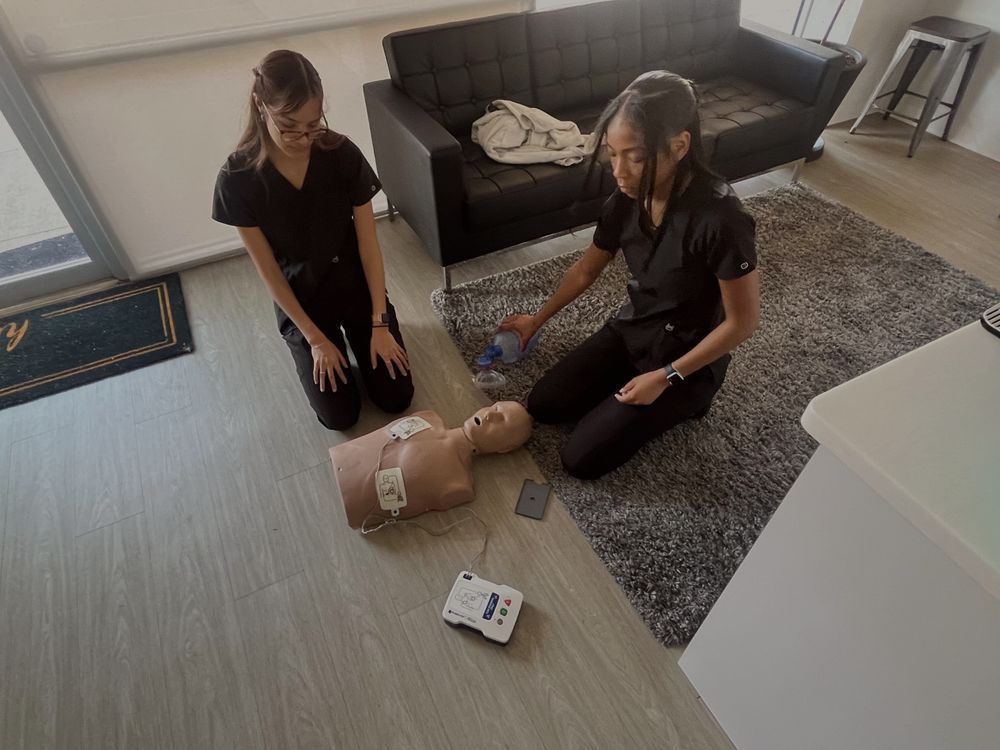
Medical assisting is a clinical job. You’ll be drawing blood, taking vitals, administering injections, placing EKG leads, and assisting physicians during exams. These are physical skills that require practice — you can’t learn phlebotomy from a textbook alone.
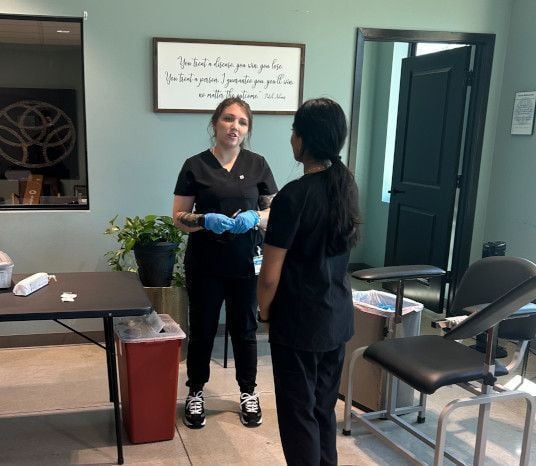
The best programs structure their curriculum so that students spend significant time in supervised clinical labs or real healthcare environments. Specifically, look for programs that include:
- Practice on training arms, mannequins, and simulation equipment
- Instructor-supervised skill demonstrations with feedback
- Clinical hours in actual medical settings (externships, labs, or partnered facilities)
- Take-home practice kits for skill reinforcement outside of class
If a program mentions “clinical training” but can’t describe exactly what that looks like, ask more questions.
2. They include certification preparation
Medical assistant certification — like the CCMA through the NHA or the RMA through the AMT — is a professional credential that employers recognize and increasingly prefer. Programs that integrate certification prep into their core curriculum give graduates a significant advantage:
- Better job prospects — many employers list certification as preferred or required
- Higher starting pay — certified MAs often earn $1–$3 more per hour
- Faster hiring — the credential signals competence and reduces onboarding risk
- National portability — certification is recognized across state lines
The weakest programs don’t mention certification at all, or treat it as an afterthought. The best programs build exam preparation into every module so you’re ready to sit for the exam on graduation day.
3. They keep costs transparent and manageable
Education is an investment, but it shouldn’t require a massive loan that takes years to pay off. The best medical assistant programs are upfront about total costs — tuition, materials, certification exam fees, and any other charges — from the very first conversation.
What to look for:
- Clear, published tuition with no hidden fees
- Flexible payment plans that work with your budget
- Low total cost relative to the earning potential (the ROI should be obvious)
- No pressure to take on large loans — especially when the total program cost is a few thousand dollars, not tens of thousands
Graduating debt-free — or close to it — means you keep more of your salary from day one and start building financial stability faster.
4. They focus on real job readiness
The point of a training program is to get you hired and successful in your first role. Programs that take job readiness seriously go beyond the curriculum:
- Resume and interview preparation — so you can present yourself confidently to employers
- Job search support — including guidance on where to apply, how to network, and what to expect from the hiring process
- Employer partnerships — connections with local clinics, hospitals, and practices that hire graduates
- Externship or clinical placement opportunities — real-world experience that hiring managers value
A program that ends with a certificate and a “good luck” isn’t doing enough. The best programs are invested in your employment outcomes, not just your enrollment.
5. They respect your time
Not everyone has two years to spend in a classroom. Many students are working adults, parents, or career changers who need efficient, focused training.
The strongest medical assistant training programs are designed with that reality in mind:
- Streamlined curriculum that covers what you need without unnecessary filler
- Flexible scheduling — evening, weekend, or hybrid options
- Completion timelines measured in weeks or months, not years
- Focused instruction that moves at a professional pace
Efficiency doesn’t mean cutting corners. It means every module, lab session, and assignment has a clear purpose tied to your clinical and administrative readiness.
How to evaluate programs in Gonzales
Use these five traits as a checklist when comparing medical assistant programs near you:
- Does the program include real, supervised clinical practice?
- Is medical assistant certification prep integrated into the curriculum?
- Is the total cost transparent, and are payment plans available?
- Does the school offer career support — resume help, interview prep, employer connections?
- Is the program designed for adult learners with flexible scheduling and efficient timelines?
If a program checks all five boxes, it’s worth serious consideration. If it doesn’t, keep looking.
See how Gonzales Medical Assistant School measures up
- Explore the program: Program details
- Review tuition and payment options: Tuition
- Talk to our team: Contact
- Apply: How to apply
You're only a few months from the medical assistant career you deserve.